arcss
12 Immersive Learning Examples for Schools, Colleges and Training
Looking for immersive learning examples? See 12 practical ideas for schools, colleges and skill training, from VR field trips to digital twin labs.
Stay updated with the latest insights, research, and news about immersive learning, XR technology, and educational innovation.
Looking for immersive learning examples? See 12 practical ideas for schools, colleges and skill training, from VR field trips to digital twin labs.

How do you prove XR works? Measure XR learning outcomes with 6 simple methods, a before-and-after plan, the right numbers to track, and mistakes to avoid.

NEP 2020 experiential learning made practical: what the policy asks for, 6 ways XR and digital twins help schools deliver it, and a stage-wise plan.
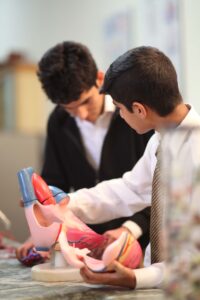
Virtual reality in medical education lets students practise before they meet patients. See 7 proven benefits, the see one, simulate many model, and its limits.
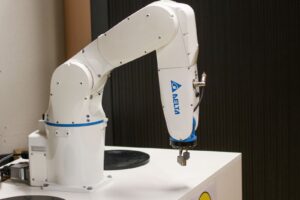
Which Industry 4.0 skills do employers want, and how can colleges teach them? See 6 essential skills, a skill-to-twin map, and project ideas for students.
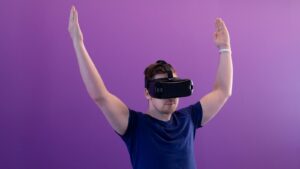
Metaverse in education without the hype: what it really means, 5 uses that work today, a 3P test to judge any platform, and how schools can start small.

Planning an XR lab for colleges? Follow 8 simple steps, from syllabus mapping and room layout to devices, content, hygiene and teacher training.
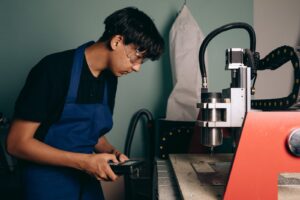
XR skill training gives students more practice in less time. See the 5-step skill ladder, 7 ways colleges build job-ready graduates, and what to measure.
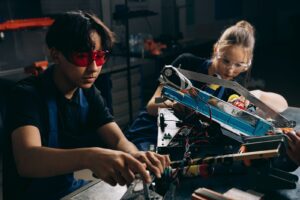
A digital twin for engineering education links one real machine to many subjects. See the one-machine, many-subjects model, branch-wise uses and a rollout plan.
Mixed reality in education explained simply: how MR differs from AR and VR, 6 proven classroom uses, a 3-question test to pick the right tech, and real limits.

Augmented reality in the classroom made simple: 7 practical lesson ideas, the phone-first approach, and a 10-minute AR routine any teacher can start this week.
Extended reality vs virtual reality explained simply. Learn why the real question is how much of the classroom students should still see, with a decision guide.

How digital twin virtual labs fix the hidden problem of real labs: too little hands-on time per student. Includes the lab time math and a blended lab model.

The 8 best uses of extended reality for immersive learning, ranked by learning value per headset minute, plus the popular uses that waste class time.

How AI and extended reality work together in 2026 classrooms: adaptive scenes, virtual tutors, Indian language support, and the new risks schools must manage.

Explore 8 real applications of the digital twin in education, plus 2026 trends rated with a simple reality check: ready now, coming soon or hype.
A clear guide to extended reality in education: the four types of XR use, benefits for students, teachers and schools, and real examples for every age group.

Discover the real benefits of digital twin technology for students, mapped across the learning journey from first year to first job, with honest limits.
See how extended reality in STEM education is changing physics, chemistry, biology, maths and engineering in 2026, with a subject by subject analysis.

Digital twin technology in education explained simply. Learn the three parts of a twin, the four levels schools can use, and a real campus project idea.
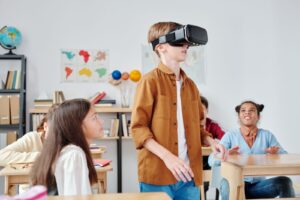
XR learning explained in simple words. See how extended reality in education works step by step, what a good lesson looks like, and where it truly helps.
How Does Digital Twin Technology Work? Introduction Digital Twin technology is transforming the way businesses design, monitor, and maintain physical assets. From smart factories
Our Approach ARCS Success Stories: Inspiring Career Transformations Discover how ARCS has empowered students and professionals with industry-focused training, practical skills, and career opportunities that
Education is one of the most powerful tools for shaping the future. In India, learning has traditionally focused on textbooks, exams, and memorization. While this
Education in India is going through a remarkable transformation. For many years, classrooms have been limited to blackboards, textbooks, and one-way teaching methods. While these
Education in India is evolving rapidly. The traditional methods of learning—textbooks, notes, and lectures—are no longer enough to meet the needs of today’s students. In
Education in India is stepping into a powerful new phase. For decades, students have depended on textbooks, notes, and classroom lectures. While this system has

In today’s fast-changing world, traditional classroom learning is no longer enough. Students don’t just need theory — they need experience. They need to build, experiment,

The education landscape is undergoing a dramatic transformation, thanks to Extended Reality (XR) technology. This revolutionary approach to learning is breaking down traditional classroom barriers
WhatsApp us