NEP 2020 Experiential Learning: How XR and Digital Twins Help Schools
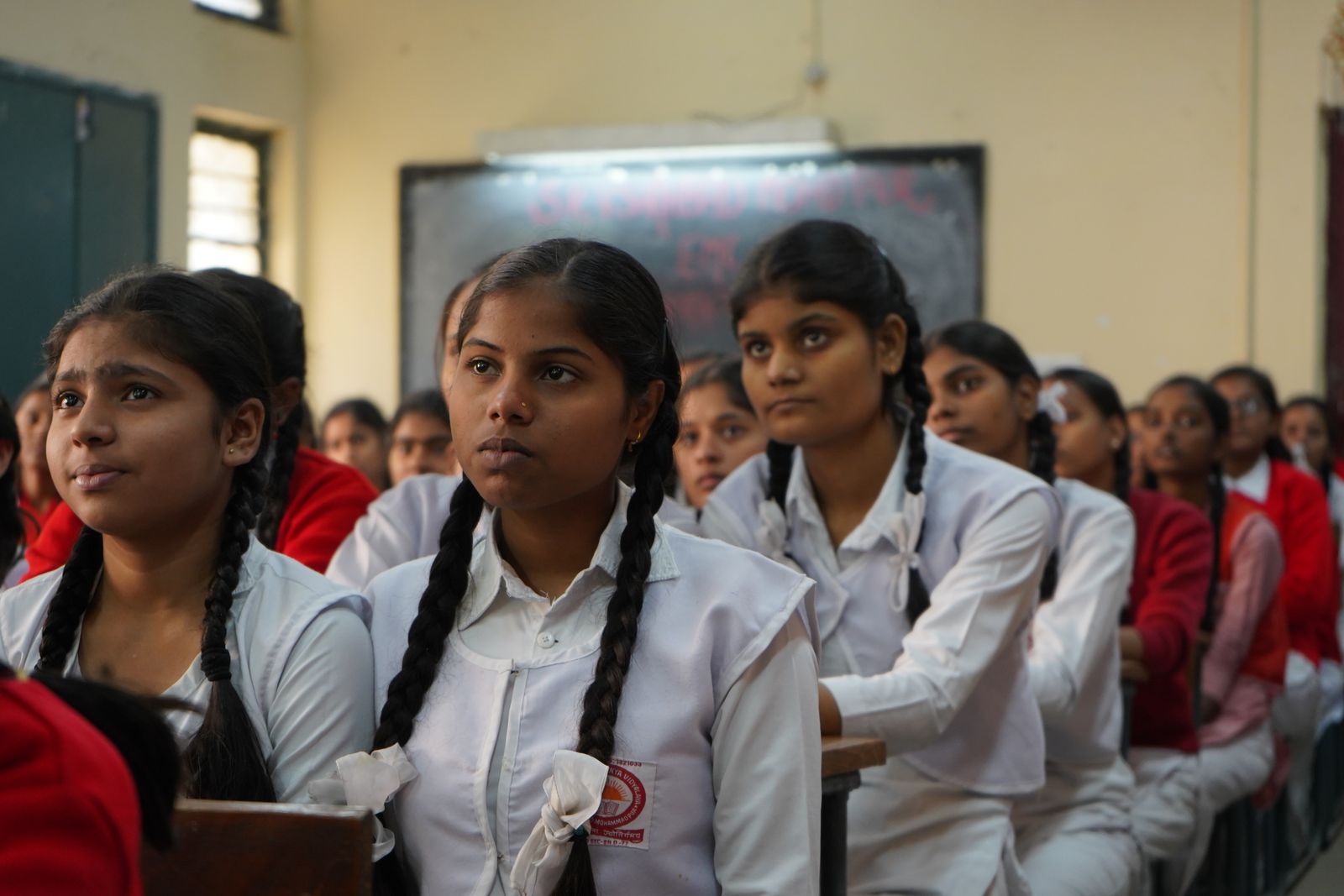
NEP 2020 experiential learning is one of the biggest shifts in Indian school education in decades. The National Education Policy asks schools to move away from rote memorisation and towards learning by doing, exploring and discovering. In simple words, students should experience concepts, not just read about them.
Most schools agree with the idea. The hard part is doing it every day, in crowded classrooms, with limited labs and a full syllabus. This article explains what the policy really asks for and shows six practical ways XR and digital twins help schools deliver it.
What NEP 2020 Says About Experiential Learning
The National Education Policy 2020 makes experiential learning a core teaching approach at every stage. Key ideas include:
- Hands-on learning, arts-integrated and sports-integrated education, and story-based teaching
- Less content load, with more focus on core concepts and critical thinking
- Exposure to vocational skills from the middle stage, including bagless days with local experts
- Assessment that checks understanding and application, not just recall
- Use of technology to improve learning, especially for students who lack access to good labs
Together, these ideas mean that a student should be able to apply a concept in a real or realistic situation.
Why Schools Struggle With NEP 2020 Experiential Learning
There are three common barriers. First, many schools do not have well-equipped labs for every subject. Second, class sizes make hands-on activity hard to manage. Third, some concepts simply cannot be experienced directly. Students cannot visit the inside of an atom, travel to Mars or watch continents drift.
This is where technology becomes a partner. Edgar Dale’s well-known cone of experience suggests that direct, purposeful experience leaves a deeper mark than verbal symbols alone. XR brings many “impossible” experiences within reach.
6 Ways XR and Digital Twins Support NEP 2020 Experiential Learning
1. Making the invisible visible
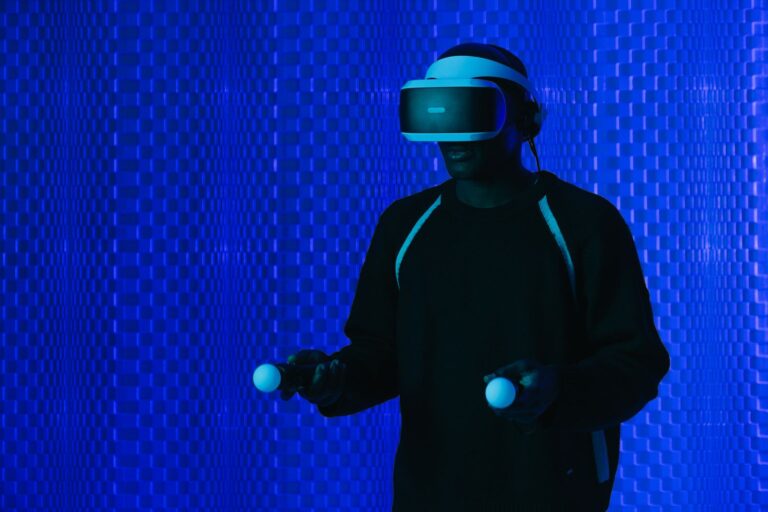
Atoms, cells, electric current and magnetic fields cannot be seen. In augmented or virtual reality, students can watch them, move them and change them. Abstract chapters become concrete experiences.
2. Virtual field trips for every student
Not every school can take students to a dam, a museum or a coastal ecosystem. With VR, the whole class can visit, observe and ask questions. As a result, geography and environmental studies become far more real.
3. Safe science experiments
Some experiments are too risky or costly for a school lab. Virtual labs let every student perform them, repeat them and see what happens when they change a variable.
4. Early vocational exposure
NEP 2020 encourages vocational exposure from the middle stage. Digital twins of simple machines, farm equipment or electrical setups let students explore trades safely before they visit a real workshop.
5. Learning through making
Students can design their own 3D models, AR posters or simple virtual worlds. Creating something is one of the deepest forms of NEP 2020 experiential learning, because it requires real understanding.
6. Competency-based assessment
XR tasks can test whether a student can apply a concept, not just recall it. For example, a student can be asked to build a working circuit in a virtual lab, which shows real competence.
A Stage-Wise Plan for Schools
The policy describes four stages of schooling. Here is how XR can support each one.
| Stage | Grades | Suggested XR use |
|---|---|---|
| Foundational | Up to Grade 2 | Very short AR stories and 3D animals on tablets, with the teacher leading |
| Preparatory | Grades 3 to 5 | AR models for science and geography, simple virtual field trips |
| Middle | Grades 6 to 8 | Virtual labs, vocational twins, student-made AR projects |
| Secondary | Grades 9 to 12 | Advanced virtual experiments, career exploration, research projects |
For younger learners, keep sessions very short and favour tablets over headsets.
A Sample Lesson: The Water Cycle in Grade 6
Here is how one ordinary lesson changes. In the old approach, students copy a diagram of the water cycle and memorise four terms. In an NEP 2020 experiential learning approach, the lesson looks very different.
- Observe: Students record how a wet cloth dries on the school wall over one day.
- Explore: In AR, they watch water evaporate from a virtual lake, form clouds and fall as rain over a 3D model of their own district.
- Experiment: In a virtual lab, they change temperature and wind speed and see how the cycle speeds up or slows down.
- Explain: Groups present the cycle using a local example, such as the monsoon filling their village tank.
The concept is the same, but now students have seen it, changed it and connected it to their own lives. That is what the policy means by learning by doing.
Tips for Teachers
These simple habits help any teacher make NEP 2020 experiential learning part of daily practice.
- Start each XR activity with a clear question, not with the device
- Keep XR to 10 to 15 minutes of a lesson, then discuss
- Ask students to explain what they learned without the device
- Link each activity to a real-life situation in the student’s own town
- Share one student-made project each month to build excitement
Where to Learn More
For practical AR lesson ideas, read our guide to augmented reality in the classroom. To see how XR supports science and maths, read how extended reality is transforming STEM education. You can also learn more about our approach on our Experiential Learning page.
Frequently Asked Questions
Does NEP 2020 require schools to use VR?
No. NEP 2020 encourages experiential learning and the smart use of technology. XR is one effective way to deliver it, not a legal requirement.
Is XR affordable for government schools?
Phone and tablet-based AR is very affordable. Shared VR kits that move between schools can also reduce costs.
Will XR increase screen time?
Not if it is used well. Short, purposeful sessions followed by discussion and activity keep screen time low.
Conclusion
NEP 2020 experiential learning asks schools to let students learn by doing. XR and digital twins make that possible even where labs are limited and concepts are invisible. Start small, keep sessions purposeful, and always end with students explaining in their own words. To bring NEP-aligned XR learning to your school, explore our Extended Reality Technology solutions or contact the ARCS team.