

XR Learning Outcomes: 6 Simple Ways to Measure Real Impact
XR learning outcomes are the measurable changes in what students know, can do and feel after learning with virtual, augmented or mixed reality. They answer the question every principal, dean and parent eventually asks: “Is this technology actually helping our students?”
Many institutions buy XR, see students smiling in headsets, and assume it works. Smiles are nice, but they are not evidence. In this guide we share six simple ways to measure XR learning outcomes, a practical before-and-after plan, and the common mistakes that make results look better or worse than they really are.
Why Measuring XR Matters
There are three good reasons to measure. First, it shows whether the money was well spent. Second, it tells teachers which modules work and which need changing. Third, it builds the case for expansion. A lab with clear results gets more budget. A lab with only photos often gets forgotten.
Moreover, measurement keeps the focus on learning, not on the device. When teachers know results will be checked, they plan XR sessions around clear goals.
Start With Clear Goals
Before measuring anything, write down what students should achieve. Bloom’s taxonomy is a helpful guide. It moves from remembering and understanding up to applying, analysing, evaluating and creating. XR is especially strong at the middle levels, such as applying and analysing, so your goals should include them.
For example, a goal might be: “Students can identify the cause of a motor fault from live data.” That is far easier to measure than “Students will enjoy learning about motors.”
6 Simple Ways to Measure XR Learning Outcomes
1. Pre-test and post-test
The simplest way to measure XR learning outcomes is a short test. Give it before the XR unit and the same type of test after it. The gain in scores shows how much students learned. Keep the tests short, fair and focused on the goals you wrote down.
2. Comparison groups
If possible, teach one section with XR and another similar section without it. Compare their post-test scores. This shows whether XR made the difference or whether students would have learned anyway.
3. Skill performance on real tasks
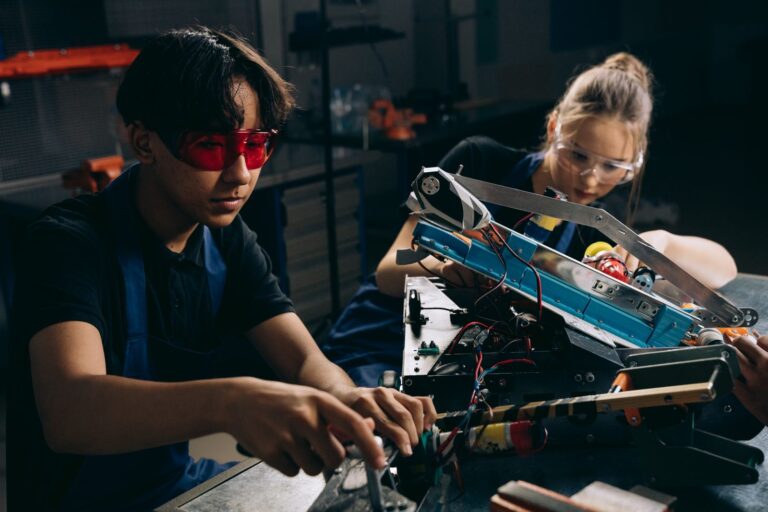
For practical skills, the best measure is performance on real equipment. Count first-attempt errors, time taken and safety mistakes. If XR-trained students perform better on their first real attempt, the evidence is strong.
4. Data from the XR system itself
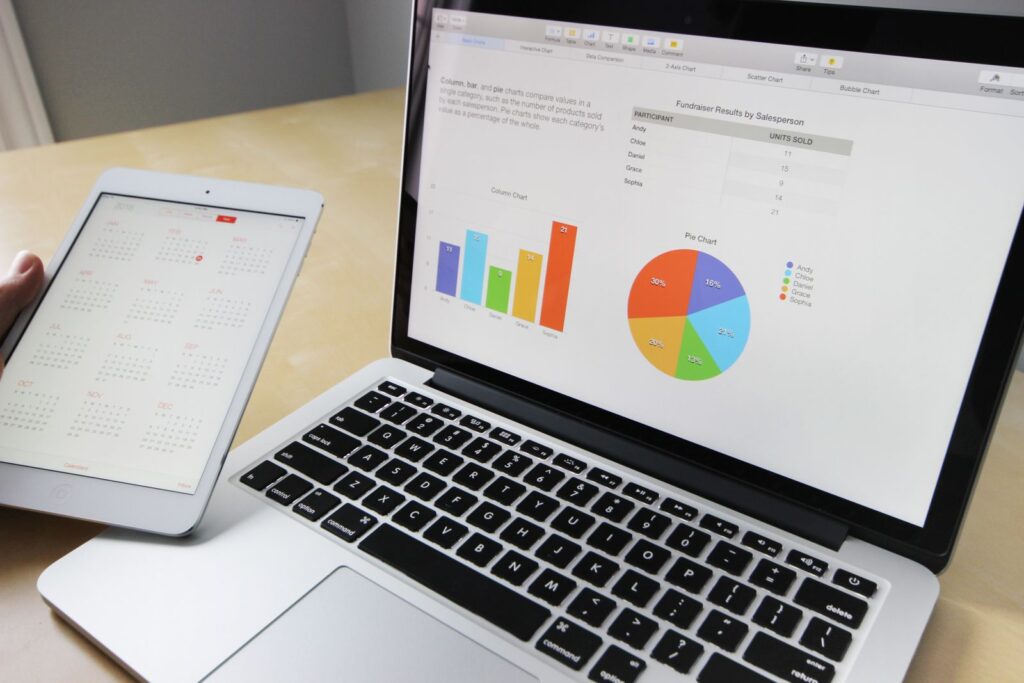
Most XR platforms record what each student does: steps taken, errors, time and repeat attempts. This is a form of learning analytics. It shows not just the final score but the path to it, which helps teachers spot exactly where students struggle.
5. Retention after a delay
Many methods look good in a test taken the next day. The real question is what students remember weeks later. Repeat a short test four to six weeks after the unit. Strong XR learning outcomes hold up over time.
6. Student and teacher feedback
Numbers do not tell the full story. Short surveys and group discussions reveal confidence, interest and comfort. Ask teachers too. They notice changes in class participation and questions that tests may miss.
A Simple Before-and-After Plan
Here is a plan any school or college can run in one semester.
| Week | Action |
|---|---|
| 1 | Write clear goals and run the pre-test in both sections |
| 2 to 6 | Teach the unit, with XR in one section and the usual method in the other |
| 7 | Run the post-test and a practical task, and collect platform data |
| 8 | Run the student and teacher surveys |
| 12 | Run the delayed retention test |
| 13 | Compare results and share a one-page summary |
Afterwards, offer the XR unit to the comparison section as well, so no student misses out.

Numbers Worth Tracking
Keep a simple dashboard of XR learning outcomes with a few key numbers. Too many numbers hide the story.
- Average score gain from pre-test to post-test
- Difference between XR and non-XR sections
- First-attempt error rate on real equipment
- Retention score after six weeks
- Lab usage hours per department
- Percentage of students who feel more confident
Common Mistakes to Avoid
- Measuring only enjoyment. Students almost always enjoy XR. That alone proves little.
- Using different tests. Pre-tests and post-tests must be of similar difficulty.
- Ignoring the novelty effect. Excitement fades. Measure over a full semester, not one lesson.
- Unequal teaching time. If the XR group gets extra hours, the comparison is not fair.
- Forgetting weaker students. Check whether XR helps students across all ability levels, not just toppers.
These steps also fit well with formative assessment, where teachers use results during the course to adjust teaching, not only at the end.
Sharing Your Results
Turn your results into a one-page summary with three parts: what you tried, what changed, and what you will do next. Add one chart and one student quote. Management, parents and accreditation teams read short summaries. They rarely read long reports. Over time, these summaries build a strong record of XR learning outcomes across departments.
Related Guides
If you are just starting, our guide on how XR learning works explains the basics. To build the right space for measurement, see our steps for setting up an XR lab for colleges. For skill-based courses, our article on XR skill training shows which practical numbers matter most.
Frequently Asked Questions
How soon can we see XR learning outcomes?
Score gains often appear after the first unit. Reliable evidence, including retention, usually needs one full semester.
Do we need a research team to measure results?
No. A teacher with a simple spreadsheet and the plan above can produce useful evidence.
What if XR does not improve scores?
That is still valuable. Check the goals, the content and the session design. Often a small change in how XR is used makes a big difference.
Conclusion
XR learning outcomes should be measured, not assumed. Set clear goals, run fair pre-tests and post-tests, track real skills and retention, and listen to students and teachers. The evidence will tell you what to keep, what to fix and where to grow. To plan an XR programme with measurement built in from day one, explore our Extended Reality Technology solutions or contact the ARCS team.