Virtual Reality in Medical Education: 7 Proven Benefits for Students
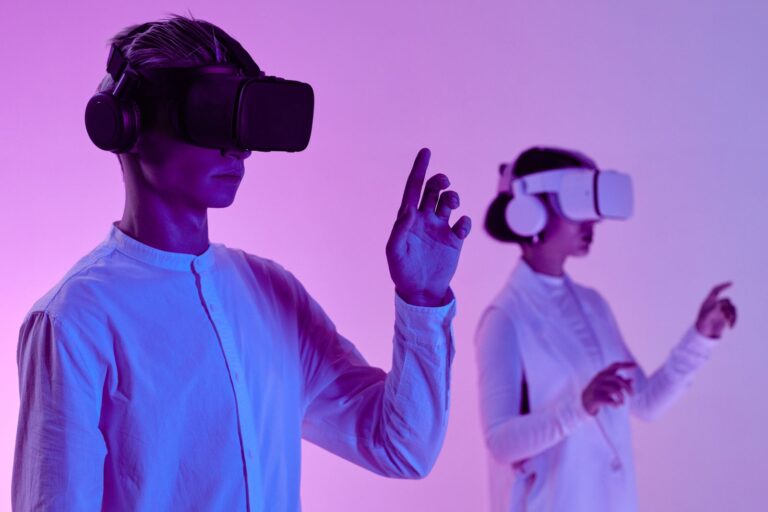
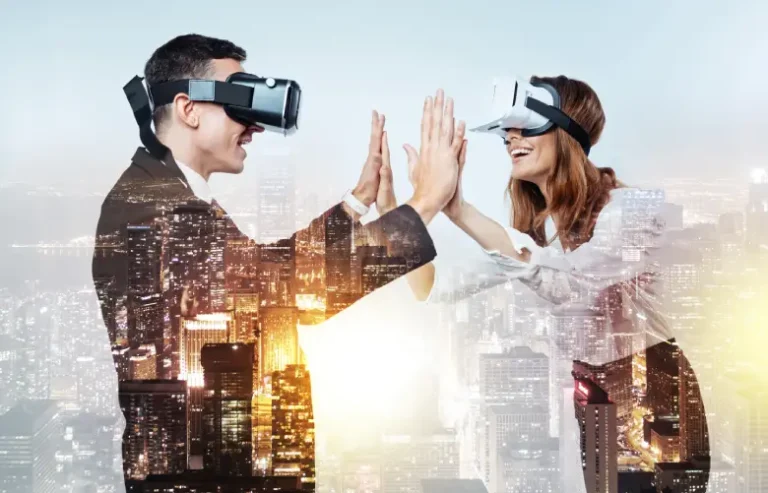
Virtual reality in medical education lets students explore the human body in 3D, rehearse procedures and handle emergencies in a safe virtual space before they ever meet a real patient. It does not replace clinical training. Instead, it makes sure that a student’s first real attempt is not their first attempt at all.
That simple idea is the focus of this article. We look at the old rule of medical training, why it needs an update, and seven proven benefits of VR for medical, nursing and allied health students.
The Old Rule: See One, Do One, Teach One
For generations, medical students learned procedures with a simple rule. Watch a senior perform it once, perform it yourself once, then teach it to a junior. The rule built confident doctors, but it had a hidden cost. A student’s first attempt usually happened on a real patient.
Today, patient safety expectations are much higher. Hospitals are busier, and students get fewer chances to practise under supervision. Competency-based curricula, such as the one guided by India’s National Medical Commission, place strong emphasis on skills labs and repeated practice.
The New Rule: See One, Simulate Many, Do One
This is where virtual reality in medical education fits. The new rule adds a middle step. Students watch an expert, then practise the procedure many times in VR, and only then perform it on a patient under supervision. Medical simulation has long used mannequins for this. VR extends simulation further, because it is cheaper per session, easier to repeat and available any time.
7 Proven Benefits of Virtual Reality in Medical Education
1. Anatomy you can walk inside
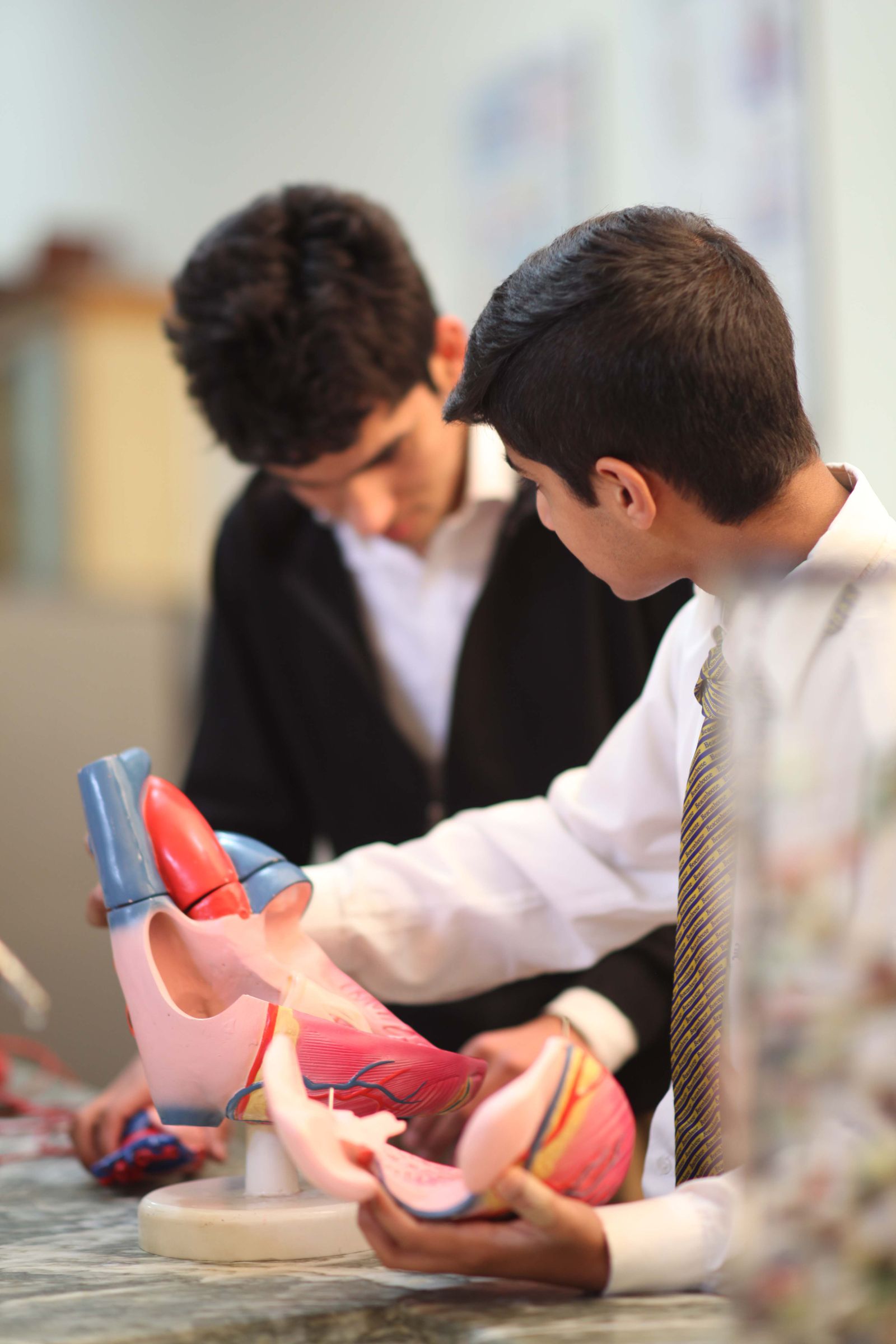
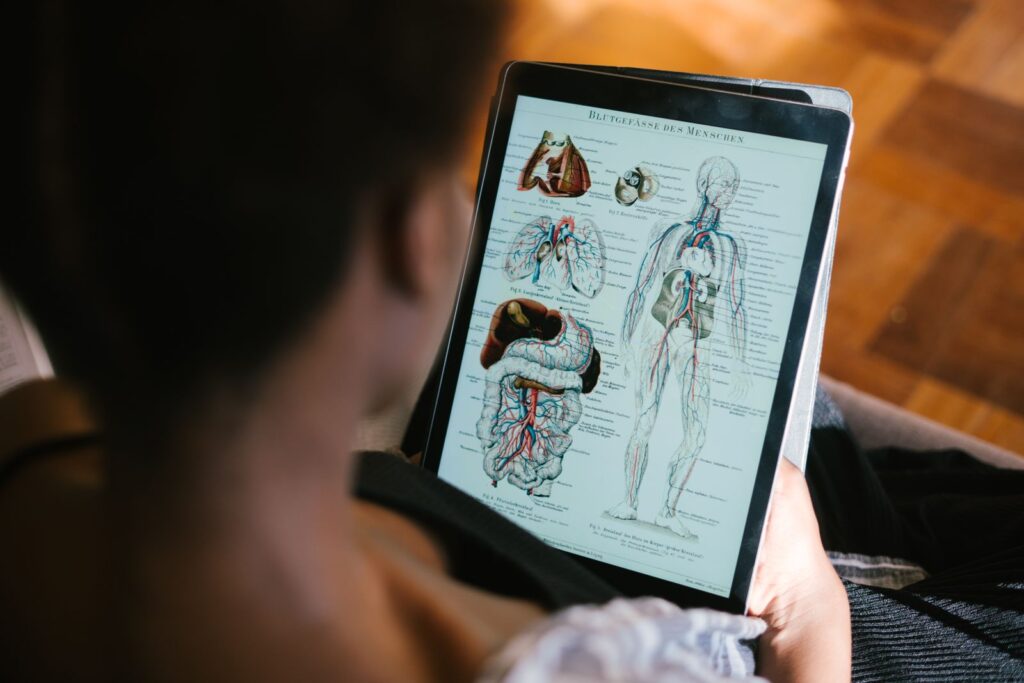
Textbook diagrams flatten the body. In VR, students can enlarge the heart to the size of a room, step inside a chamber and watch the valves open. They can peel away layers of muscle to see nerves and vessels in their true positions. Spatial understanding improves quickly.
2. Unlimited, risk-free practice
A student can rehearse inserting a cannula or performing a lumbar puncture twenty times in VR. No patient is at risk, and no materials are wasted. Consequently, students reach real wards with steadier hands.
3. Emergency drills on demand
Cardiac arrest, trauma and anaphylaxis do not happen on a timetable. In VR, they can be practised every week. Students learn to stay calm, follow protocols and work as a team under pressure.
4. Rare cases for every student
Some conditions appear once in a decade at a single hospital. Virtual reality in medical education lets every student see and manage these rare cases, not just the lucky few on duty that day.
5. Better communication skills
VR patients can be anxious, angry or confused. Students practise breaking bad news, taking a history and explaining a procedure. These skills are hard to teach from a book, yet they shape patient trust.
6. Objective assessment
VR systems record every action, its order and its timing. Teachers can assess technique fairly and give precise feedback, rather than relying only on observation.
7. Access for smaller colleges
Not every medical or nursing college has a large simulation centre. A small set of VR headsets can bring high-quality practice to colleges in smaller towns at a fraction of the cost.
Where VR Fits in the Medical Curriculum
| Year | Good VR uses |
|---|---|
| First year | 3D anatomy, physiology animations, cell biology |
| Second year | Pathology visualisation, pharmacology mechanisms |
| Clinical years | Procedures, emergency drills, communication practice |
| Internship | Rare case management, team-based crisis simulation |
Nursing, physiotherapy and paramedic courses can follow a similar pattern, with more focus on procedures and patient handling.
A Sample 30-Minute VR Anatomy Session
What does a good session look like in practice? Here is a simple plan for first-year students learning the heart.
- Brief (5 minutes): The teacher sets three questions, such as “Which valve stops blood flowing back into the left atrium?”
- Explore (15 minutes): Students work in pairs. One wears the headset and walks through the heart, while the partner reads the questions and notes the answers. They swap halfway.
- Explain (10 minutes): Each pair draws the blood flow from memory and explains it to another pair.
The explain step matters most. It turns a striking visual experience into knowledge students can use in an exam and, later, at the bedside.
How Colleges Can Start
Start with one department and one clear goal. Anatomy is usually the easiest first step, because good VR content is widely available and the benefit is obvious. Then add procedure practice and emergency drills in the skills lab. Train a few faculty champions, track student results, and expand virtual reality in medical education one module at a time.
Honest Limits of VR in Medicine
Virtual reality in medical education cannot yet copy the full feel of tissue under a needle or a scalpel. Some haptic devices help, but they are still costly. VR also cannot replace the human side of bedside learning, where a senior doctor reads a patient’s face and explains what they notice. Therefore, the best programmes blend VR with mannequins, skills labs and supervised clinical work.
How AR and Mixed Reality Add to VR
Virtual reality is not the only option. Augmented reality is great for quick anatomy lessons on a tablet, as we explain in our guide to augmented reality in the classroom. Mixed reality can place life-size organs in a real room for group study, which we cover in mixed reality in education. For the skill-building side, our article on XR skill training explains the five-step practice ladder that also suits clinical skills.
Frequently Asked Questions
Is virtual reality in medical education approved for teaching?
VR is used as a supporting tool within skills labs and simulation training. It complements, rather than replaces, supervised clinical work.
Which medical subjects benefit most from VR?
Anatomy, surgery, emergency medicine, obstetrics and communication skills see some of the clearest benefits.
Is VR useful for nursing students?
Yes. Nursing students gain a lot from VR practice of procedures, patient handling and emergency response.
Conclusion
Virtual reality in medical education turns “see one, do one” into “see one, simulate many, do one”. It gives students unlimited safe practice, rare case exposure and fair assessment, while real patients benefit from better-prepared future doctors and nurses. To bring VR anatomy and clinical simulation to your institution, explore our Immersive Learning programme or contact the ARCS team.