

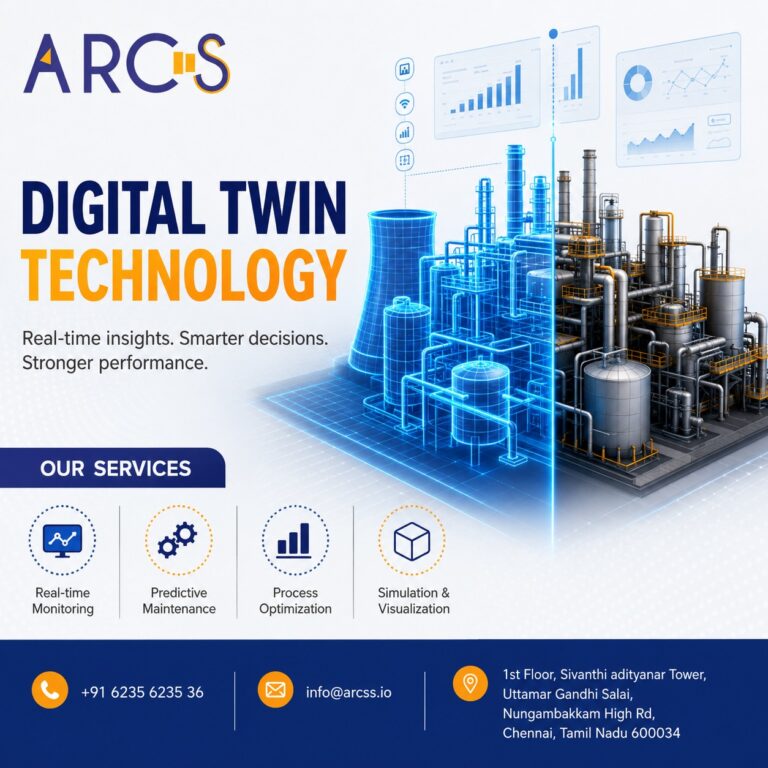
How Does Digital Twin Technology Work?
Introduction
Digital Twin technology is transforming the way businesses design, monitor, and maintain physical assets. From smart factories and hospitals to modern cities and transportation systems, Digital Twins provide a virtual representation of real-world objects that updates continuously using live data. This technology enables organizations to make smarter decisions, reduce operational costs, improve efficiency, and predict problems before they occur.
A Digital Twin is much more than a simple 3D model. It combines real-time data, sensors, Internet of Things (IoT), Artificial Intelligence (AI), cloud computing, and advanced analytics to create a dynamic digital replica of a physical object or process. As the physical asset changes, its Digital Twin changes too, allowing users to monitor performance and simulate different scenarios without affecting real operations.
This article explains how Digital Twin technology works, the components involved, and why it has become one of the key technologies driving Industry 4.0.
What is Digital Twin Technology?
A Digital Twin is a virtual model that accurately represents a physical object, machine, building, or entire system. Unlike static computer models, a Digital Twin continuously receives data from the real-world asset through connected sensors.
For example, imagine a manufacturing machine equipped with temperature, vibration, and pressure sensors. These sensors send live information to a digital platform where a Digital Twin mirrors the machine’s current condition. Engineers can monitor its health, analyse performance, and detect potential failures before they happen.
The digital model evolves alongside the physical asset throughout its lifecycle.
How Does Digital Twin Technology Work?
Digital Twin technology follows a structured process that connects physical assets with digital intelligence.
Step 1: Creating the Physical Asset
Everything begins with a physical object or system. This may include:
- Manufacturing equipment
- Smart buildings
- Wind turbines
- Vehicles
- Industrial robots
- Medical devices
- Power plants
The physical asset performs its normal operations while generating operational data.
Step 2: Collecting Data Using Sensors
The next step involves installing IoT sensors on the physical asset. These sensors continuously monitor important operating conditions such as:
- Temperature
- Pressure
- Speed
- Humidity
- Energy consumption
- Vibration
- Voltage
- Motion
- Location
- Fuel usage
The sensors collect information every second and convert it into digital data.
Without sensors, a Digital Twin cannot reflect real-world conditions accurately.
Step 3: Data Transmission
Once the sensors collect information, the data is transmitted through communication networks such as:
- Wi-Fi
- Ethernet
- 5G
- Bluetooth
- LoRaWAN
- Industrial IoT Networks
The collected information is securely transferred to cloud servers or edge computing platforms where it is processed in real time.
Step 4: Building the Digital Twin Model
The incoming sensor data updates the Digital Twin continuously.
The virtual model includes:
- 3D representation
- Operational behaviour
- Equipment specifications
- Historical performance
- Current operating condition
- Maintenance records
Instead of showing only the appearance of the machine, the Digital Twin displays exactly how it is performing at any given moment.
Step 5: Data Processing and Analytics
The collected information is analysed using:
- Artificial Intelligence (AI)
- Machine Learning (ML)
- Big Data Analytics
- Cloud Computing
The software identifies patterns, detects abnormalities, predicts failures, and generates useful insights for operators.
For example, if vibration levels gradually increase over several weeks, AI may predict that a bearing will fail within the next month.
Step 6: Simulation and Testing
One of the biggest advantages of Digital Twins is virtual simulation.
Instead of testing changes on expensive equipment, engineers can perform simulations inside the Digital Twin.
They can evaluate:
- Different production methods
- Machine upgrades
- Energy-saving strategies
- Maintenance schedules
- Equipment replacement
- Product design improvements
Since testing happens virtually, organizations avoid unnecessary risks and downtime.
Step 7: Decision Making
The analysed information helps managers make informed decisions.
Examples include:
- Scheduling preventive maintenance
- Increasing production efficiency
- Reducing energy costs
- Improving worker safety
- Optimizing machine settings
- Planning future investments
Because decisions are based on live operational data, businesses can respond quickly to changing conditions.
Key Components of Digital Twin Technology
A successful Digital Twin system consists of several interconnected technologies.
Physical Asset
The real-world machine, building, or equipment that is being monitored.
IoT Sensors
Sensors collect live operational data from the physical asset.
Examples include:
- Temperature sensors
- Pressure sensors
- Motion sensors
- GPS sensors
- Humidity sensors
- Vibration sensors
Communication Network
A secure communication channel transfers sensor data between the physical asset and the Digital Twin platform.
Cloud Computing
Cloud platforms store massive amounts of sensor data while providing scalable computing resources for analysis.
Artificial Intelligence
AI analyses operational behaviour, predicts failures, and recommends improvements automatically.
Data Analytics
Analytics tools transform raw sensor data into dashboards, reports, and actionable business insights.
User Dashboard
Managers and engineers access Digital Twin information through interactive dashboards showing:
- Live equipment status
- Performance graphs
- Maintenance alerts
- Predictive reports
- Operational KPIs
Real-World Example
Consider a smart manufacturing factory.
Hundreds of machines operate every day.
Each machine has sensors measuring:
- Temperature
- Motor speed
- Vibration
- Energy consumption
The sensor data flows into the Digital Twin platform.
The Digital Twin immediately identifies that one motor’s vibration is increasing beyond the normal limit.
AI predicts the motor may fail within the next 10 days.
Instead of waiting for an unexpected breakdown, maintenance engineers replace the faulty component during scheduled downtime.
The result:
- No production interruption
- Lower repair costs
- Improved worker safety
- Increased equipment lifespan
This demonstrates how Digital Twins enable predictive maintenance and smarter operations.
Benefits of Digital Twin Technology
Organizations adopt Digital Twins because they deliver measurable business value.
Real-Time Monitoring
Businesses can monitor assets continuously from anywhere.
Predictive Maintenance
Problems are detected before equipment fails.
Improved Productivity
Optimized processes increase operational efficiency.
Lower Maintenance Costs
Early issue detection reduces expensive emergency repairs.
Better Product Design
Manufacturers can test and improve products virtually before production.
Reduced Downtime
Predictive insights prevent unexpected shutdowns.
Enhanced Decision Making
Managers rely on live operational data instead of assumptions.
Increased Safety
Hazardous situations can be identified before accidents occur.
Industries Using Digital Twins
Digital Twin technology is expanding rapidly across industries.
Manufacturing
- Smart factories
- Production optimization
- Quality control
Construction
- Building lifecycle management
- BIM integration
- Smart infrastructure
Healthcare
- Hospital operations
- Medical device monitoring
- Patient-specific modelling
Automotive
- Vehicle testing
- Connected cars
- Electric vehicle development
Aerospace
- Aircraft maintenance
- Engine monitoring
- Flight performance analysis
Energy
- Wind turbines
- Solar farms
- Power plants
- Smart grids
Smart Cities
- Traffic management
- Water supply systems
- Public transportation
- Urban planning
Future of Digital Twin Technology
The future of Digital Twins is closely connected with Artificial Intelligence, 5G, cloud computing, edge computing, augmented reality (AR), and virtual reality (VR).
As sensors become more affordable and connectivity improves, Digital Twins will become common across businesses of all sizes. Future systems will offer even greater automation, real-time optimization, and predictive capabilities, enabling organizations to achieve higher efficiency and sustainability.
Conclusion
Digital Twin technology is changing how organizations interact with physical assets by creating intelligent virtual replicas powered by real-time data. Through IoT sensors, cloud computing, AI, and advanced analytics, Digital Twins provide continuous monitoring, predictive maintenance, and powerful simulation capabilities.
Whether used in manufacturing, healthcare, construction, automotive, or smart cities, Digital Twins help businesses reduce costs, improve operational efficiency, minimize downtime, and make informed decisions. As Industry 4.0 continues to evolve, Digital Twin technology will play a central role in building smarter, safer, and more connected industries, making it an essential technology for the future.