Digital Twin in Education: Applications & Future Trends 2026
The digital twin in education started in engineering labs, but in 2026 it is spreading into medicine, farming, architecture and even campus management. A digital twin is a virtual copy of a real object or system that stays updated with real data. In teaching, it lets students explore, test and improve real systems safely.
This article does two things. First, it maps eight practical applications across different fields. Second, it rates each 2026 trend with a simple reality check, so you can tell what is ready today, what is coming soon and what is mostly hype.
8 Applications of the Digital Twin in Education
1. Engineering labs
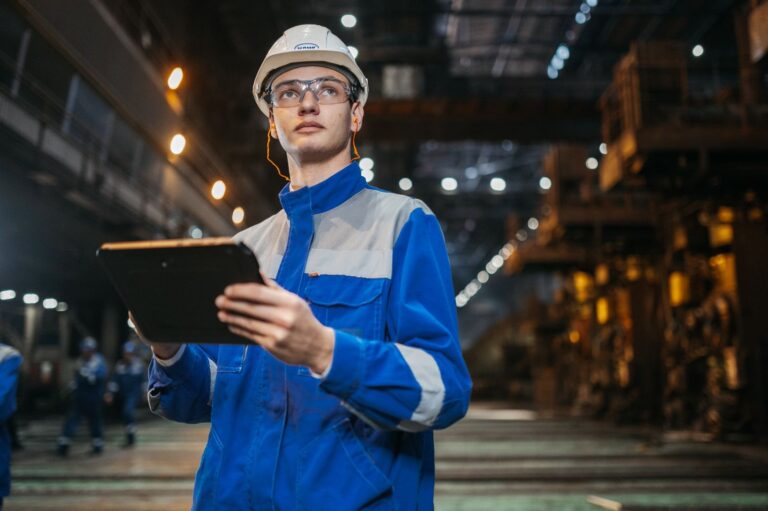
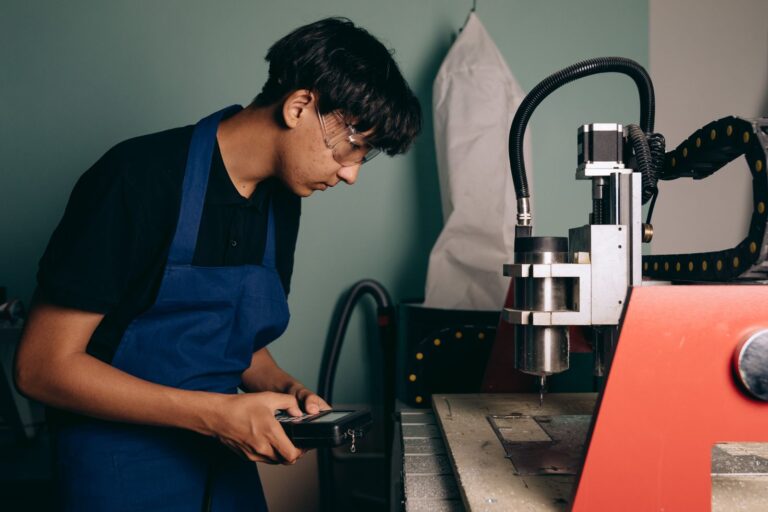
The classic use. Students run twins of motors, pumps, robot arms and production lines. They study performance, find faults and test design changes before touching real equipment. Our guide to digital twin virtual labs covers this in depth.
2. Medical and nursing training
Twins of patients model heart rate, breathing and oxygen levels. Trainees practice responding to emergencies on a virtual patient whose body reacts realistically to their decisions.
3. Agriculture
A twin of a field or greenhouse links soil moisture, weather and crop growth. Students test watering and fertiliser plans on screen and see the predicted harvest, which is very useful in a country like India where farming decisions matter to millions.
4. Architecture and civil engineering
Students build a twin of a building and test how it handles heat, light, crowds or earthquakes. Mistakes are found in the model, not in concrete.
5. The campus as a living lab
This is the most underrated application. Colleges can build a twin of their own campus: energy use, water tanks, classroom occupancy and solar panels. Students then analyse and improve the real place they live and study in. The learning feels personal and the college saves money at the same time.
6. Sports science
Wearable sensors feed a twin of an athlete’s body. Students study movement, fatigue and injury risk with real data.
7. Smart city and transport studies
A twin of a junction or bus route lets students test traffic signal timing or new routes and measure the effect on waiting time.
8. Vocational and skill training
Technicians practice maintenance on twins of real machines, including rare faults that might never appear during a short apprenticeship.
Which Application Should a College Start With?
We suggest a simple test. Choose the application where three things are true: the real system already exists on or near campus, it produces data that can be measured cheaply and mistakes on the real system are costly. For most colleges, that points to the campus as a living lab or a single engineering lab machine. Both give a working digital twin in education without large spending.
Future Trends of the Digital Twin in Education in 2026
Every trend article sounds exciting. To be more useful, we have rated each trend with an honest reality check.
| Trend | Reality check | What it means for students |
|---|---|---|
| Cloud hosted twins on any laptop | Ready now | Practice from home or hostel |
| Low cost sensors feeding twins | Ready now | Live data from real campus objects |
| Twins viewed in XR headsets | Ready now, still costly at scale | Walk around a machine at full size |
| AI assistants inside twins | Coming soon, early tools exist | Ask the twin “why did this fail?” |
| Students building their own twins | Growing fast | Learn sensors, coding and modelling together |
| Shared twins across colleges | Coming soon | Access equipment your college does not own |
| Fully automatic twins of whole cities for schools | Mostly hype for now | Watch, but do not plan around it yet |
This rating is our own analysis based on what is practical for typical Indian colleges today. It will change as costs fall.
Trend in focus: AI meets twins
The most interesting shift is AI. Instead of only showing data, a twin can explain it. A student might ask why a pump’s temperature is rising and receive a short, guided answer with a suggested test. We explore this further in how AI and extended reality are transforming education.
Trend in focus: students as twin builders
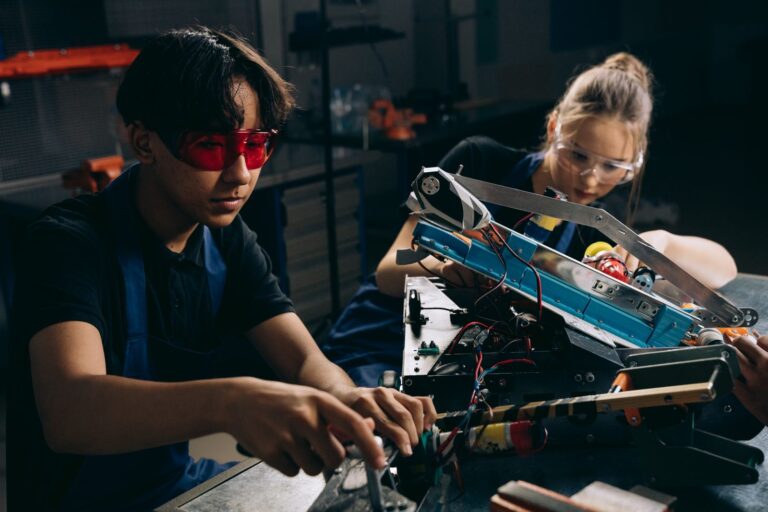
The next stage of the digital twin in education is not just using twins but building them. Building even a simple twin teaches sensors, programming, data handling and modelling in one project. This matches the hands-on spirit of programs like India’s Atal Innovation Mission.
What These Trends Mean for Teachers
Trends are often written for buyers, not for the people who teach. For teachers, the biggest change is the shift from explaining to guiding. When students can test ideas on a twin, the teacher spends less time drawing diagrams and more time asking good questions. Why did the output drop? What would you check first? What does the model leave out?
This also changes assessment. Instead of only marking final answers, teachers can review the steps a student took inside the twin. That record shows how a student thinks, which is often more useful than the final number. A well planned digital twin in education therefore helps teachers see learning, not just results.
Teachers do not need to become software experts. A short training on one tool, plus a clear lesson plan, is usually enough to begin.
Risks of the Digital Twin in Education
- Trusting the model too much. A twin is a simplification. Students must learn where it can be wrong.
- Data privacy. Twins of people, such as athletes or patients, need careful consent and data rules.
- Vendor lock in. Prefer tools that let you export models and data.
How to Prepare Your Institution
- Pick one application that passes the three part test above.
- Train a small group of teachers first.
- Build or buy one twin and use it for a full semester.
- Collect student feedback and results, then expand.
If you are new to the idea, begin with what digital twin technology in education is and how it works.
Frequently Asked Questions
What is the most common use of a digital twin in education?
Engineering lab training is where most colleges start, and medical simulation is another common early use.
Will the digital twin in education replace physical labs?
No. It reduces risk and cost and prepares students better, but real hands-on work remains essential.
Which trend should schools invest in first?
Cloud hosted twins and low cost sensors. Both are ready now and affordable.
Conclusion
The digital twin in education is moving from engineering labs into almost every practical field. Focus on applications that use real systems around you, invest in trends that are ready now and keep a healthy doubt about the hype. Learn how ARCS supports institutions on our Digital Twin Technology page.