Hands-On Skill Development by ARCSS: Learning Beyond the Classroom
In today’s fast-changing world, traditional classroom learning is no longer enough. Students don’t just need theory — they need experience. They need to build, experiment, fail, try again, and create something real. That’s exactly where ARCSS stands out. With a strong focus on hands-on skill development, ARCSS is redefining how students interact with technology and prepare for the future.
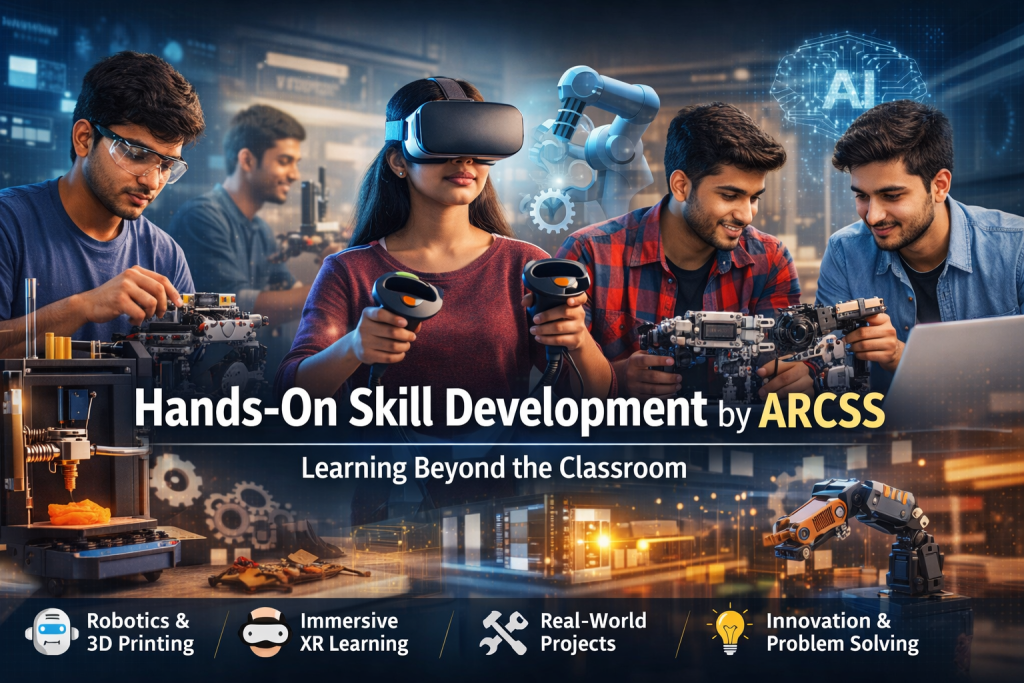
Moving from Passive Learning to Active Creation
For decades, education has followed a predictable pattern: listen to lectures, read textbooks, memorize content, and take exams. While this method builds foundational knowledge, it often leaves students unprepared for real-world challenges. Employers today are looking for problem solvers, innovators, and creators — not just good test-takers.
ARCSS bridges this gap by shifting learning from passive absorption to active participation. Instead of only studying concepts, students apply them in real-time through immersive, practical experiences. This approach transforms learners into thinkers and doers.
Experiential Learning at Its Core
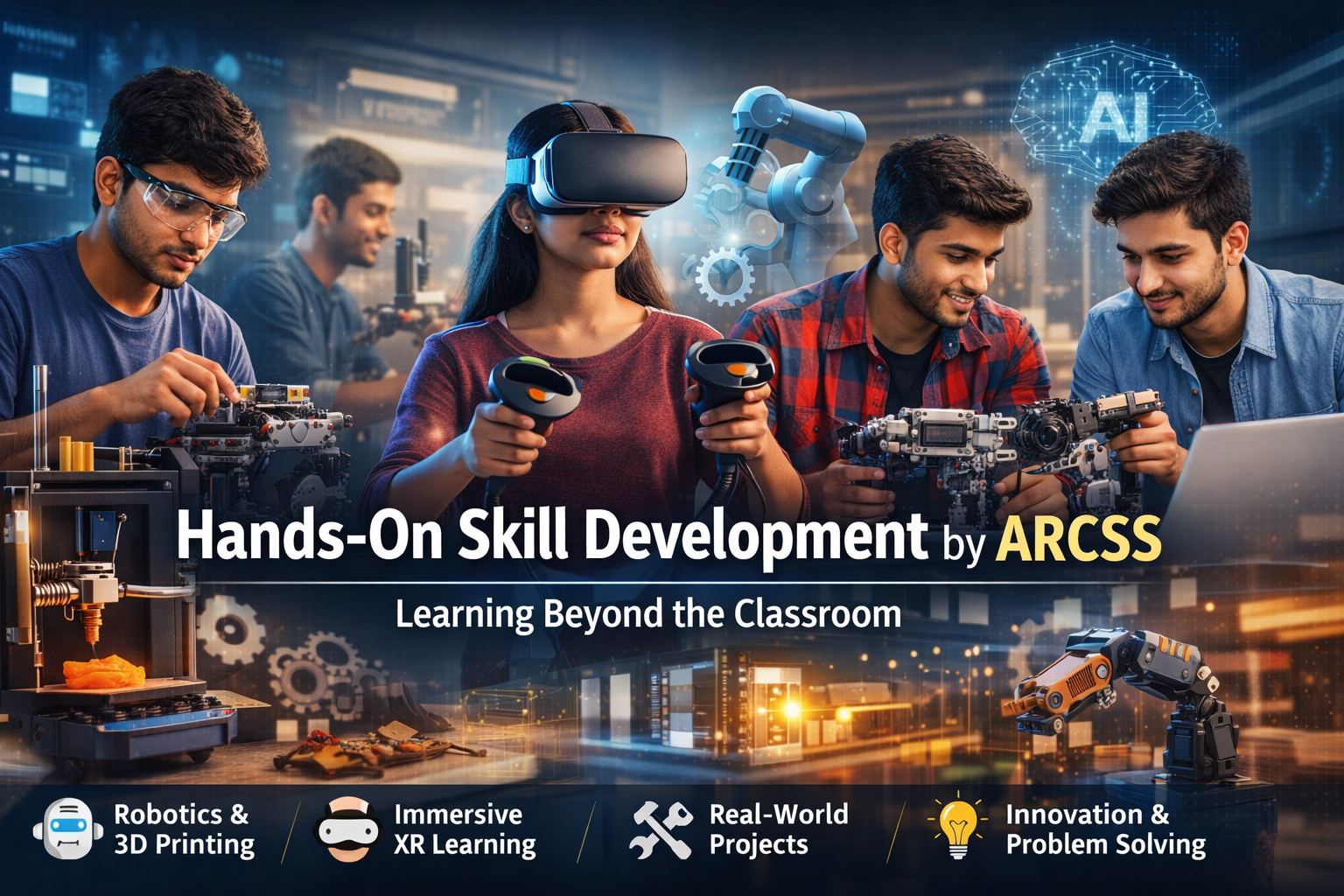
Hands-on skill development at ARCSS is built around experiential learning. This means students learn by doing. Whether it’s working with robotics, exploring AI applications, engaging with 3D printing, or experimenting with immersive XR technologies, learners are constantly interacting with tools that mirror real industry environments.
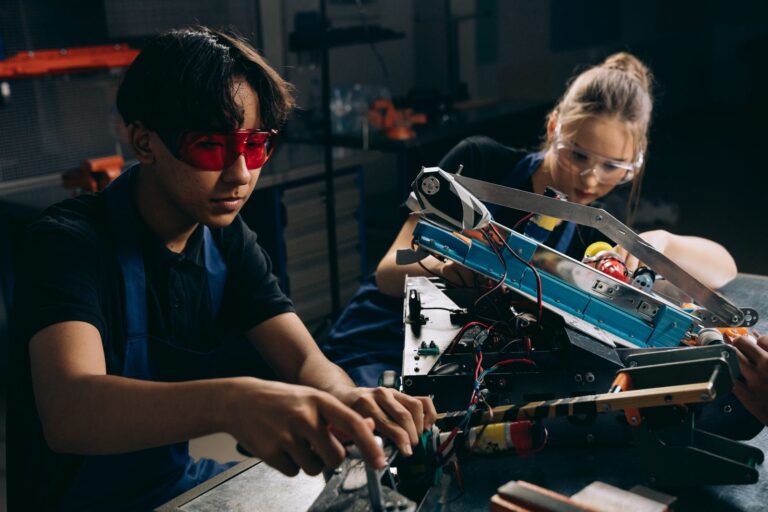
When a student builds a robot instead of just reading about robotics, the learning becomes deeper and more meaningful. When they design and print a prototype using 3D printing technology, they understand design thinking in a practical way. This kind of learning doesn’t just improve technical knowledge — it builds confidence.
Building Real-World Skills
The focus at ARCSS goes beyond technical exposure. The programs are structured to develop real-world competencies such as:
- Critical thinking
- Problem-solving
- Creativity and innovation
- Collaboration and teamwork
- Adaptability
These are the skills industries value most. In a hands-on lab setting, students face challenges that require them to think independently. They learn how to troubleshoot errors, refine ideas, and adapt when things don’t go as planned. This practical exposure prepares them for workplace realities where solutions are rarely found in textbooks.
Technology-Driven Learning Environments
ARCSS integrates advanced technologies into its skill development programs to ensure learners are future-ready. Instead of limiting education to theoretical modules, the platform offers access to innovation labs and immersive tools that simulate real-life scenarios.
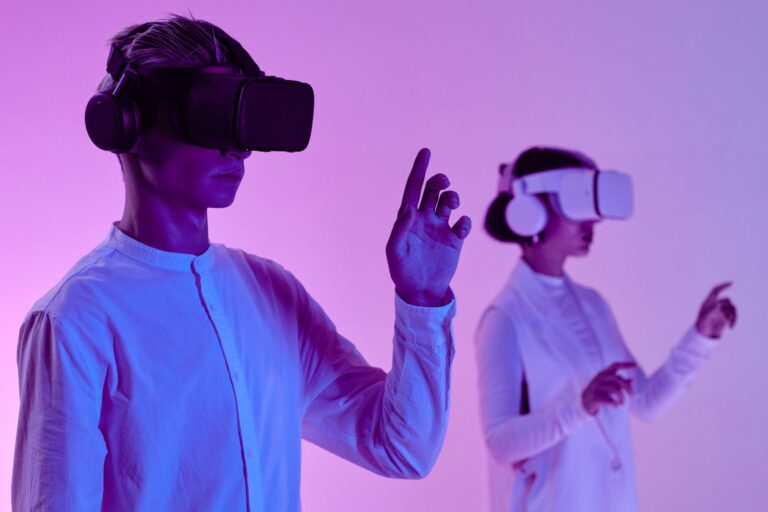
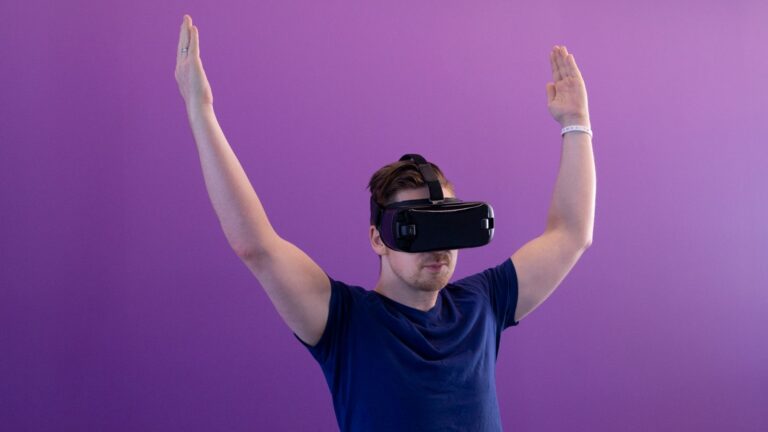
Through AI-guided learning systems and interactive XR environments, students experience complex concepts in a simplified and engaging way. For example, abstract technical ideas can be visualized in 3D, making them easier to understand and apply. This blend of technology and practice accelerates learning and keeps students motivated.
From Curiosity to Career Readiness
One of the biggest advantages of hands-on skill development is career preparation. Students don’t just complete a course — they build portfolios. They work on projects that showcase their capabilities. These practical outputs become proof of their skills.
By engaging with industry-aligned projects, learners gain exposure to real-world standards and expectations. They understand timelines, documentation processes, and quality benchmarks. This makes the transition from education to employment smoother and more confident.
Instead of asking, “What job can I get?” students begin asking, “What problem can I solve?” That mindset shift is powerful.
Encouraging Innovation and Entrepreneurship
Hands-on learning also nurtures innovation. When students are given the freedom to experiment, they start thinking beyond instructions. They explore new ideas, test creative solutions, and sometimes even develop prototypes that can turn into entrepreneurial ventures.
ARCSS fosters this innovative mindset by providing structured guidance along with the flexibility to explore. This balance between mentorship and independence helps students discover their potential.
In a world where startups and technological breakthroughs are shaping economies, encouraging innovation at the learning stage creates long-term impact.
Learning That Builds Confidence
Confidence is often the hidden outcome of experiential learning. When students complete real projects, overcome challenges, and see tangible results, they begin to trust their abilities. This self-belief carries forward into interviews, presentations, and professional environments.
Hands-on skill development reduces the fear of failure because students understand that mistakes are part of the process. Instead of feeling discouraged, they learn resilience.
Transforming Education for the Future
The future belongs to those who can adapt and create. ARCSS recognizes that education must evolve to meet this demand. By embedding hands-on skill development into its core structure, it ensures that learners are not just academically prepared but practically empowered.
In a technology-driven era, skills become obsolete quickly. But the ability to learn, experiment, and innovate remains timeless. Through immersive labs, real-world projects, and experiential learning models, ARCSS equips students with exactly that.
Education is no longer about memorizing information. It’s about mastering application. And with its strong emphasis on hands-on skill development, ARCSS is helping shape a generation that is ready to build, lead, and transform the future.