
Extended Reality vs Virtual Reality: Which Is Better for Learning?
Extended reality vs virtual reality is a comparison many teachers and parents look up, and it is also one of the most confusing in education technology. Here is the short answer: virtual reality is a part of extended reality, so it is not really a contest between two rivals. It is like asking “vehicles vs cars”. Cars are one kind of vehicle.
But there is a useful question hidden inside this comparison, and it is the one teachers really need answered: how much of the real classroom should students still see while they learn? Answer that, and you will know which type of XR is best for each lesson.
Definitions in Plain English
Extended reality (XR) is the umbrella term for any technology that mixes digital content with what we see. It includes three types.
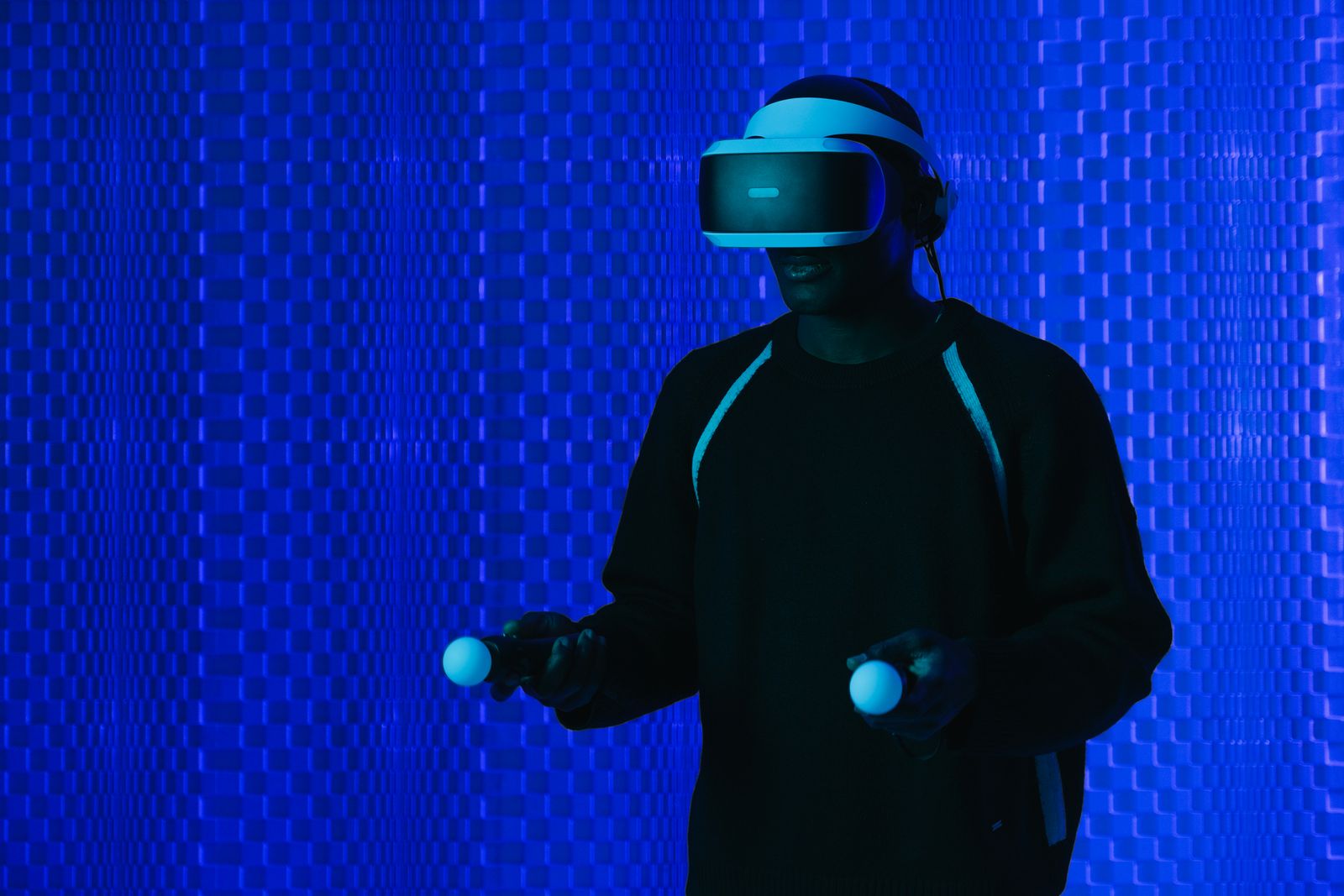
- Virtual reality (VR): a headset replaces everything you see with a digital world. The classroom disappears.
- Augmented reality (AR): digital objects appear on top of the real world, usually through a phone, tablet or glasses.
- Mixed reality (MR): digital objects appear in the real room and react to it. Many modern headsets show the room through cameras, called passthrough, and place 3D objects inside it. You can read more about virtual reality and its history on Wikipedia.
So when you compare extended reality vs virtual reality, you are really comparing VR with the full range of options, including AR and MR.
Extended Reality vs Virtual Reality: Side by Side
| Factor | Virtual reality only | Wider extended reality (AR and MR) |
|---|---|---|
| What students see | Only the digital world | The real room plus digital objects |
| Sense of presence | Very strong | Moderate to strong |
| Awareness of classmates and teacher | Low | High |
| Devices needed | Headset | Phone, tablet or headset with passthrough |
| Typical cost to start | Higher | Low with tablets, higher with MR headsets |
| Motion sickness risk | Higher for some users | Generally lower |
| Best for | Visiting places, full simulations, focused drills | Hands-on tasks, group work, everyday lessons |
The Real Question: How Much Real World Do Students Need?
Here is our simple decision guide. It is based on the learning goal, not on the device.
Choose VR when the real world is a distraction
If the goal is to feel present in another place or to focus deeply on a simulation, the classroom gets in the way. Virtual field trips, emergency drills, flight or driving simulation and walking through a 3D molecule all benefit from full immersion. In these cases, VR wins.
Choose AR when the real world is the lesson
If students are studying a real object, such as a plant, a machine or a page in a textbook, AR adds labels, animations and hidden parts on top of it. The real object stays the centre of attention. AR also runs on devices many schools already own.

Choose MR when students must use their hands and work together
In the extended reality vs virtual reality choice, mixed reality is the best fit when students need to handle real tools while seeing digital guidance, or when a group must discuss a shared 3D model around a table. Because they can still see each other and the teacher, collaboration feels natural.
Why the Classroom Matters More Than Most Guides Admit
Most extended reality vs virtual reality comparisons focus on technology. In a real school, classroom management matters just as much. When 20 students are in full VR, the teacher cannot see their faces, and students cannot see each other. Questions, jokes, help and teamwork all pause.
That is not always bad. For a focused 10 minute drill, it is ideal. But for a 40 minute group activity, the loss of eye contact and conversation is a real cost. This is why a mix usually works best: short VR sessions for deep immersion, and AR or MR for longer, social lessons.

Extended Reality vs Virtual Reality: Which Is Better for Learning?
Neither is “better” across the board. The honest verdict looks like this.
- For presence and focus: VR is better.
- For collaboration and hands-on tasks: AR and MR are better.
- For cost and easy start: AR on existing tablets is better.
- For comfort over longer sessions: AR and MR are usually better.
- For a whole school strategy: extended reality as a full toolkit is better than VR alone, because it lets teachers pick the right tool for each lesson.
Common Mistakes When Choosing Between Them
Schools that treat extended reality vs virtual reality as a simple either or choice often make one of these mistakes.
- Buying only VR headsets and then forcing every lesson into full immersion, even group tasks that need eye contact.
- Ignoring the devices already in school. Tablets and smart phones can run good AR lessons today.
- Running sessions that are too long. Full VR for a whole period tires students and increases discomfort.
- Choosing by brand, not by goal. The learning goal should decide the mode, and the mode should decide the device.
Avoiding these mistakes is easier when teachers ask the same question each time: does this lesson need students to leave the room, or to see more inside it? That one question settles most extended reality vs virtual reality decisions in seconds.
A Practical Plan for Schools
- Start with AR on tablets for everyday lessons in science and geography.
- Add a small set of headsets that support both VR and passthrough MR.
- Use VR for short, focused experiences such as safety drills and virtual trips.
- Use MR for group projects and hands-on practice.
- Review which mode worked best for each topic and adjust.
For more ideas, see the best uses of extended reality for immersive learning and our guide on extended reality in education.
Frequently Asked Questions
What is the main difference in extended reality vs virtual reality?
VR is one type of XR. XR also includes AR and MR, which keep the real world visible.
Is VR or XR safer for children?
AR and MR are often more comfortable because students can see their surroundings. Any headset use should be short and supervised.
Do I need different devices for each?
Many modern headsets support both VR and mixed reality, and AR runs on phones and tablets.
Conclusion
The extended reality vs virtual reality debate is really about one choice: how much of the real world your students should see. Pick VR when you want full focus somewhere else, AR when the real object is the lesson and MR when students must work together with their hands. Learn how ARCS helps schools build the right mix on our Extended Reality Technology page.