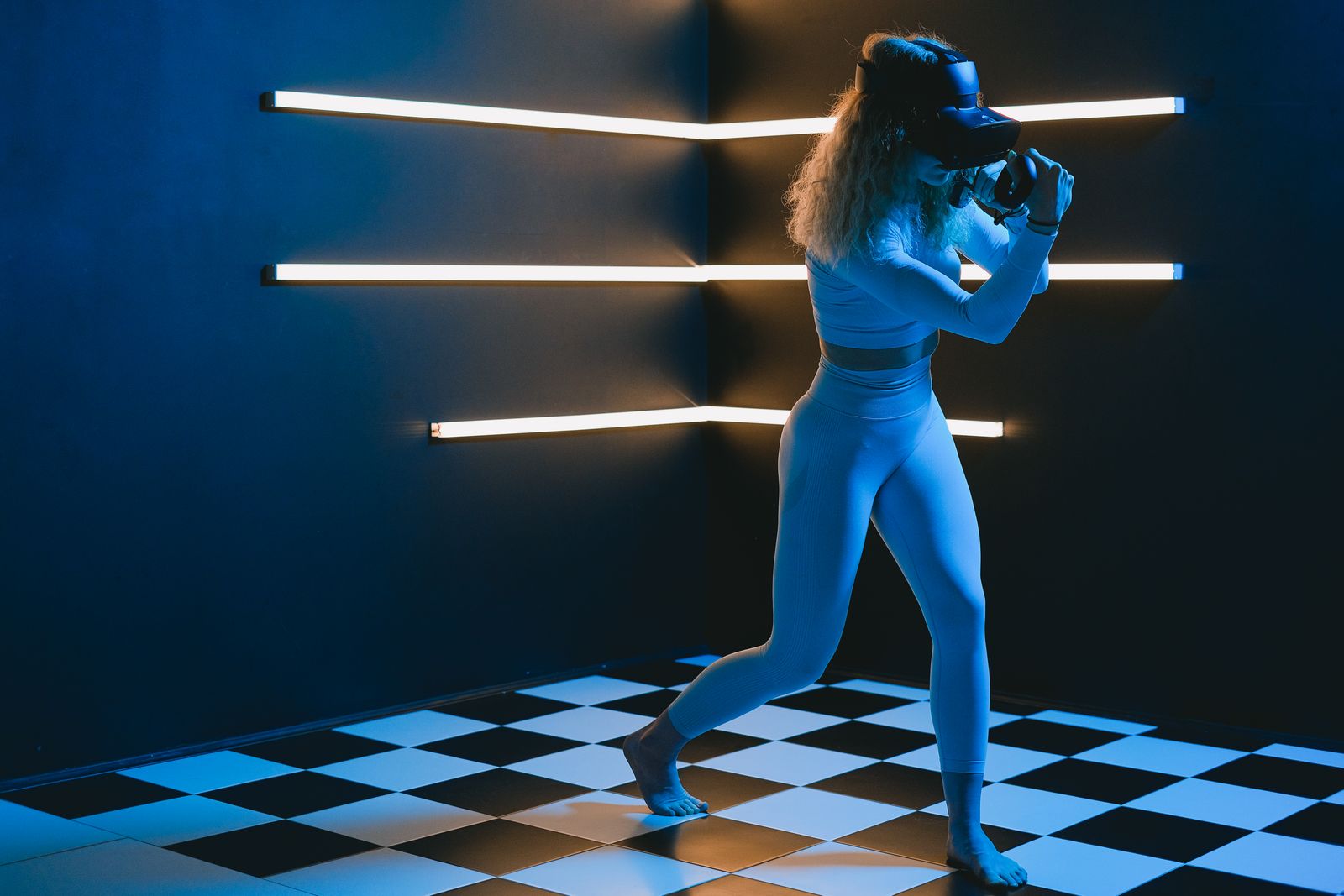
Best Uses of Extended Reality for Immersive Learning
Extended reality for immersive learning can be brilliant or a waste of time. The difference is not the headset. It is the use. A ten minute safety drill in VR can teach more than an hour of slides, while a 360 degree video of a lecture teaches less than the real lecture.
So instead of listing every possible use, we ranked them. Our ranking is based on one simple measure: learning value per headset minute. Headsets are shared, sessions must be short and class time is precious, so every minute inside XR should deliver something a book or video cannot.
How We Ranked the Uses
Each use was scored from 1 to 3 on three questions, giving a total out of 9.
- Impossible otherwise: could students do this without XR? (3 means no way)
- Risk removed: does XR remove real danger or cost? (3 means a lot)
- Practice needed: does the skill improve with repetition? (3 means yes, many repetitions)
This is our own scoring model, not a published standard. Treat it as a starting point for your own planning.
The 8 Best Uses of Extended Reality for Immersive Learning
1. Safety and emergency drills (score 9/9)
Fire evacuation, chemical spills, electrical faults and first aid. These cannot be practiced for real without danger, and they must be repeated until the response is automatic. This is the strongest use of extended reality for immersive learning we know of.
2. Machine operation and maintenance (8/9)
Students practice starting, stopping and fixing equipment that is expensive or rare. When paired with a digital twin, the virtual machine behaves like the real one.
3. Inside the human body (8/9)
Medical, nursing and biology students explore organs, blood flow and surgery steps. It is impossible to walk inside a real heart, and practice makes a big difference in medical skills.
4. Places no school trip can reach (7/9)
The surface of Mars, the bottom of the ocean, inside a volcano or a nuclear reactor. Students gain a sense of scale and space that photos cannot give.
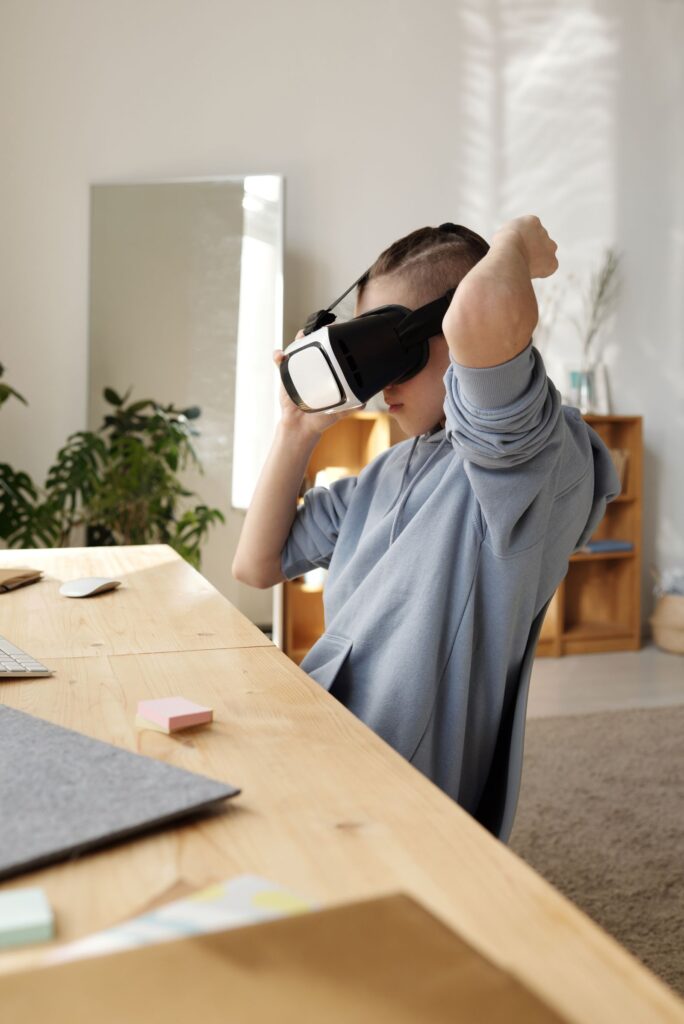
5. Soft skills practice (7/9)
Public speaking in front of a virtual audience, job interviews and customer service role plays. Nervous students can repeat until they feel confident, without embarrassment.
6. Seeing through another person’s eyes (6/9)
History and social studies lessons that place students in another time or life. Experiencing a crowded market in an older era, or a day with limited mobility, builds understanding and empathy.
7. Language immersion (6/9)
Students practice a new language in a virtual shop, station or office. Speaking in context feels more natural than repeating sentences from a textbook.
8. Design review and 3D creation (6/9)
Architecture and engineering students walk through their own designs at full size, spotting problems a flat drawing would hide.
Score Summary Table
| Use | Impossible otherwise | Risk removed | Practice needed | Total |
|---|---|---|---|---|
| Safety drills | 3 | 3 | 3 | 9 |
| Machine operation | 2 | 3 | 3 | 8 |
| Inside the body | 3 | 2 | 3 | 8 |
| Unreachable places | 3 | 3 | 1 | 7 |
| Soft skills | 2 | 2 | 3 | 7 |
| Other perspectives | 3 | 1 | 2 | 6 |
| Language immersion | 2 | 1 | 3 | 6 |
| Design review | 2 | 2 | 2 | 6 |
Popular Uses That Score Low
Some uses are common but give little value per minute. Being honest about them saves money and time.
- Recorded lectures in 360 degrees (2/9): a normal video does the same job without a headset.
- Quizzes inside VR (3/9): answering multiple choice questions is easier on paper or a phone.
- Reading text in a headset (1/9): uncomfortable and slower than a book.
- Long “wow” tours with no task (3/9): fun once, but students forget quickly without a goal.
The pattern is clear. Extended reality for immersive learning shines when students do something, not when they only watch something that could be shown on a screen.
How to Get the Most From Extended Reality for Immersive Learning
- Set one task. “Find the fault in the motor” beats “explore the motor”.
- Keep it short. 10 to 15 minutes per student is usually enough, and reduces VR sickness.
- Use pairs. One student in the headset, one guiding and recording, then swap.
- Debrief straight away. Ask students to explain what they did and why.
- Repeat the high value drills. Safety and practice uses need several sessions, not one.
Choosing the Right XR Type for Each Use
Using extended reality for immersive learning well also means picking the right kind of XR. Not every use needs full virtual reality. Safety drills and unreachable places work best in VR, where the outside world disappears. Machine maintenance and anatomy often work better in mixed reality, where students can still see their teacher and partner. Language practice and design review can even start on a tablet with AR. If you are unsure about the difference, read our guide on extended reality vs virtual reality.
A Sample Term Plan Using Extended Reality for Immersive Learning
Here is how a school with ten shared headsets might spread the top uses across one term for a class of 40 students. Each student gets about 12 minutes per session, using pairs and rotations.
- Weeks 1 and 2: fire and lab safety drill, repeated twice so the steps stick.
- Weeks 3 to 5: inside the human body, linked to the biology chapter on circulation.
- Weeks 6 and 7: a virtual trip to the planets, linked to the physics chapter on gravity.
- Weeks 8 to 10: public speaking practice in front of a virtual audience, ending with a real class presentation.
That is four high value uses in one term, with no more than one session a week. This plan shows that extended reality for immersive learning does not need a headset for every student. It needs a clear schedule, a clear task for each session and a teacher who connects each experience back to the syllabus.
Frequently Asked Questions
What is the best use of extended reality for immersive learning?
Safety and emergency drills, because they are dangerous to practice for real and need many repetitions.
How long should an immersive session last?
Around 10 to 15 minutes per student, followed by discussion.
Is extended reality for immersive learning only for science?
No. Soft skills, languages, history and design all appear in our top eight.
Conclusion
The best uses of extended reality for immersive learning share one thing: students act, practice and repeat inside experiences they could not safely or easily have in real life. Rank your own ideas using learning value per headset minute and drop the uses that only look impressive. To see how ARCS designs high value sessions, visit our Immersive Learning page.