Why AR & VR Learning is the Future of Education in India (2026 Guide)
Education in India is evolving rapidly. The traditional methods of learning—textbooks, notes, and lectures—are no longer enough to meet the needs of today’s students. In a world driven by technology, students need more than just theoretical knowledge. They need understanding, experience, and practical skills.
This is where Augmented Reality (AR) and Virtual Reality (VR) are making a powerful impact. As we move into 2026, these technologies are not just optional—they are becoming the future of education in India.
A New Way of Understanding Concepts
One of the main reasons AR and VR are shaping the future is their ability to simplify complex topics. Many students struggle to understand subjects like science, mathematics, and engineering through traditional methods.
With AR and VR, students can visualize concepts in 3D. They can interact with what they learn, instead of just imagining it. This makes learning faster, clearer, and more effective.
For example, instead of reading about how a machine works, students can explore its structure virtually. This kind of learning builds deeper understanding and reduces confusion.
Turning Learning into an Experience
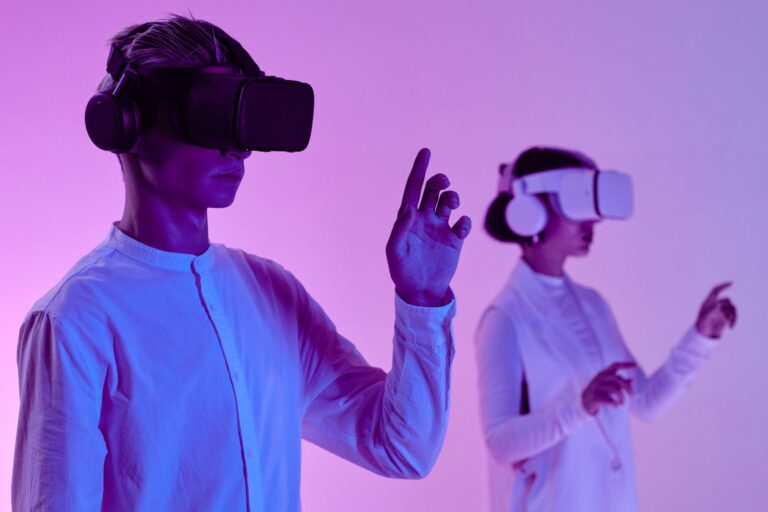
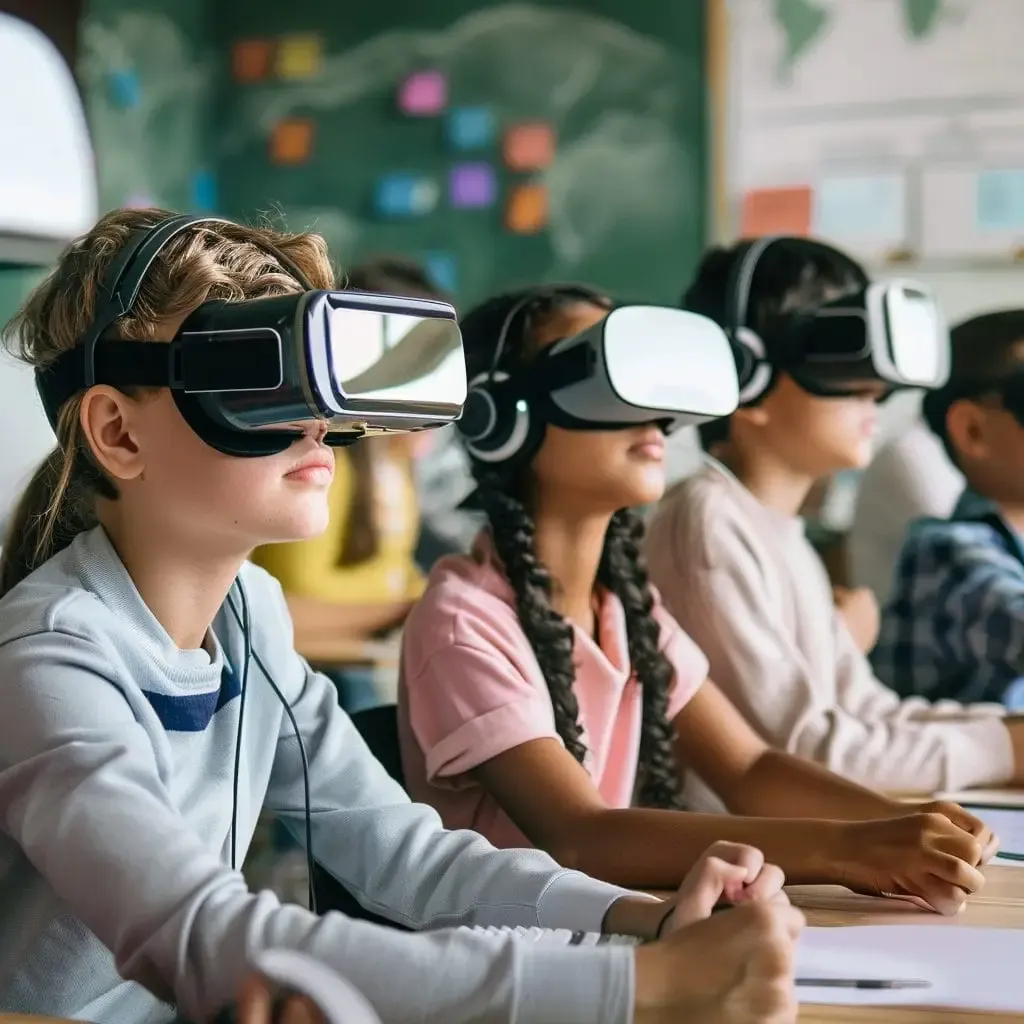
Learning becomes powerful when students feel connected to it. AR and VR create immersive environments where students can experience lessons rather than just study them.
A history lesson can turn into a virtual journey through ancient India. A science lesson can become a real-time experiment in a virtual lab. These experiences make learning more engaging and memorable.
When students enjoy learning, they naturally become more focused and motivated.
Bridging the Skill Gap in Education
One of the biggest challenges in India’s education system is the gap between knowledge and skills. Students often learn theory but struggle to apply it in real-world situations.
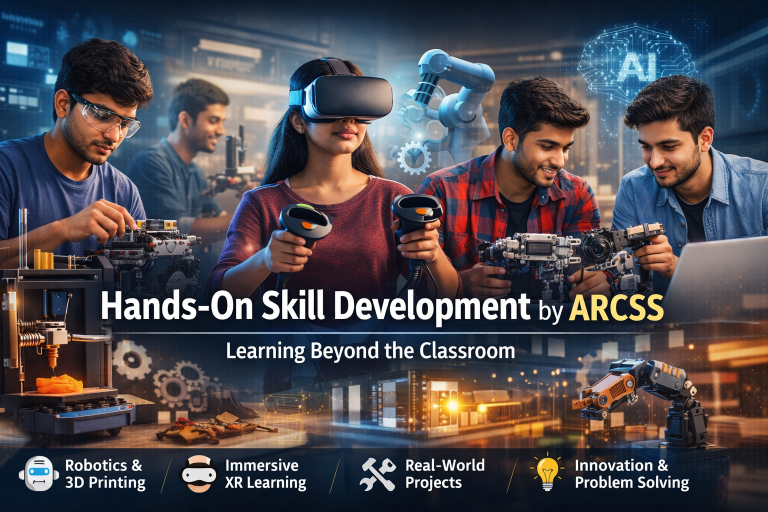
AR and VR help bridge this gap by providing hands-on learning experiences. Students can practice skills, solve real-world problems, and gain confidence.
This is especially useful in:
- Medical training
- Engineering and design
- Technical and vocational education
By learning through practice, students become more prepared for their careers.
Building Future-Ready Students
The future job market is driven by technology, innovation, and creativity. Students need to be prepared for careers that may not even exist today.
AR and VR introduce students to advanced technologies early. This helps them develop:
- Critical thinking
- Problem-solving skills
- Digital literacy
- Creativity and innovation
These skills are essential for success in the modern world.
Making Quality Education Accessible
India has a wide gap between urban and rural education. Not every student has access to high-quality learning resources. AR and VR can help reduce this gap.
Through digital platforms, immersive learning experiences can reach students in remote areas. This ensures that every student, regardless of location, has access to better education.
It creates a more equal and inclusive learning environment across the country.
Supporting Teachers with Smart Tools
AR and VR are not here to replace teachers—they are here to support them. These tools help teachers explain difficult concepts more effectively.
Teachers can use immersive content to make lessons more interesting and interactive. This improves student participation and understanding.
With the right tools, teachers can focus more on guiding and inspiring students rather than just delivering information.
The Road Ahead in 2026
As technology continues to grow, AR and VR will become a standard part of classrooms in India. Many schools and edtech platforms are already adopting these tools to improve learning outcomes.
Government initiatives and private investments are also supporting the growth of smart education. This shows that the future is already taking shape.
The focus is shifting from “learning by memory” to “learning by experience.”
Conclusion
AR and VR learning is the future of education in India because it makes learning simple, engaging, and practical. It helps students understand better, develop real-world skills, and prepare for modern careers.
In 2026, education is no longer limited to books and classrooms. It is interactive, immersive, and meaningful.
The future of learning is not just about gaining knowledge—it’s about experiencing it. And with AR and VR, that future is already here.