
XR Cognitive Technology
Extended Reality technologies are transforming cognitive assessment and training by offering immersive, interactive environments that simulate real-world tasks.
Addressing the Learning Crisis
The world has made remarkable progress in expanding access to education — with millions more children enrolling in schools than ever before. Yet, this success masks a deeper issue:students are sitting in classrooms but not learning the skills they actually need.
Unlike traditional measures of educational success, such as enrollment rates or years of schooling completed, the learning crisis focuses on actual outcomes — whether students can read with understanding, reason mathematically, and apply core competencies in real-world contexts.
Addressing the learning crisis requires a shift in focus: from simply getting children into school to ensuring theylearn effectively once there.
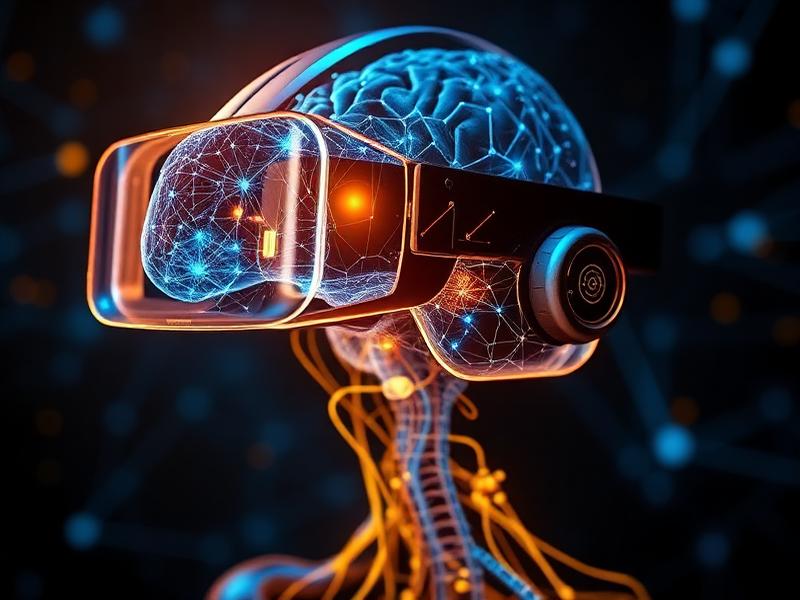
How XR Technology Transforms Learning
Extended reality (XR) technologies—encompassing virtual reality (VR), augmented reality (AR), and mixed reality (MR)—are transforming cognitive assessment and training.
Enhanced Engagement
XR environments yield higher emotional and cognitive engagement through immersive visualisation.
Personalised Learning
AI combined with XR provides adaptive learning pathways tailored to individual needs.
Better Retention
Immersive scenarios help understand complex phenomena by integrating theory with experience.
Ecological Validity
XR simulates real-world tasks, enabling practical application of learned concepts.
Multimodal Learning
Combines visual, auditory, and kinesthetic inputs for comprehensive understanding.
Safe Experimentation
Students can practice complex procedures without real-world risks.
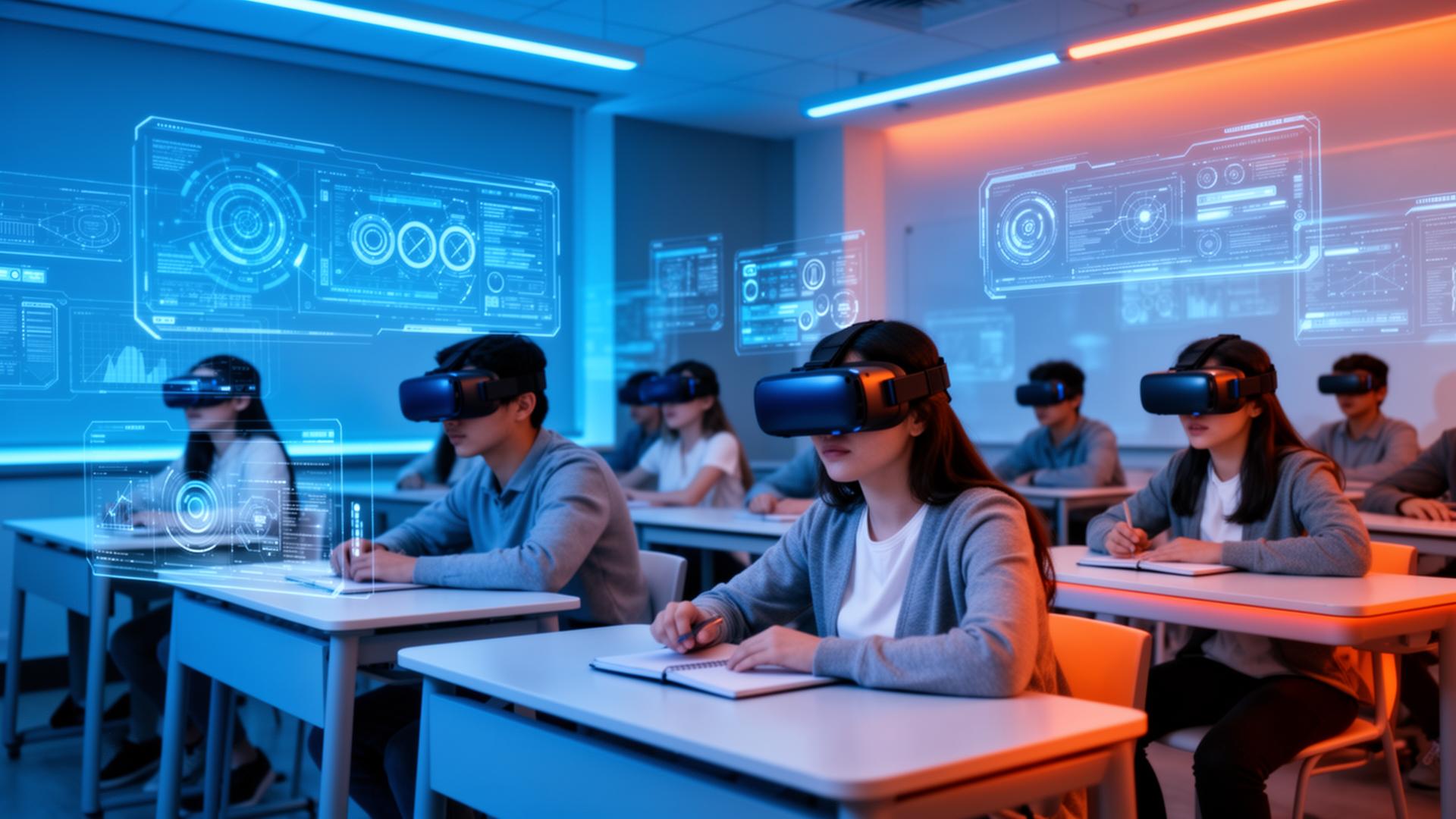
Research-Backed Effectiveness
Research indicates that the AI-XR environment outperforms all other environments across cognitive, emotional, behavioural, and social engagement categories.
The XR environment yields higher levels of emotional and cognitive engagement through immersive visualisation, while the AI environment yields high levels of personalised adaptive learning pathways for students.
Meanwhile, traditional learning environments lead to the lowest engagement levels, due to their passive and non-interactive teaching nature.
Experience XR Learning Today
Join ARCS and discover how XR technology can transform your educational journey.